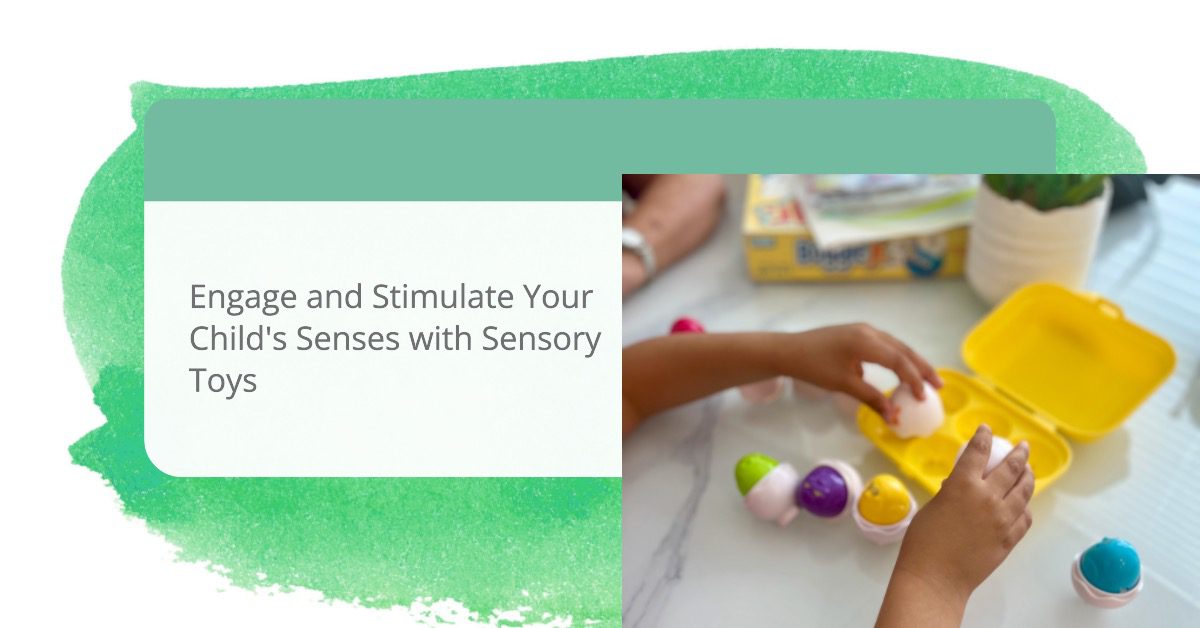
Sensory toys are not just mere playthings; they serve as powerful tools in the holistic development of all children, with exceptional significance for those with autism. These thoughtfully designed toys engage and stimulate multiple senses, fostering vital skills and promoting emotional, cognitive, and social growth in children with ASD. In this article, we explore the transformative impact of sensory toys on child development, with a particular focus on their profound benefits for children with autism.
Enhancing Sensory Exploration:
- Sensory toys provide a diverse range of textures, colors, shapes, and sounds that captivate children’s attention and pique their curiosity. For children with autism, who may experience sensory processing challenges, these toys offer a safe and structured way to explore different sensations and gradually adapt to their surroundings. Engaging with sensory toys can help in developing tolerance to sensory stimuli, reducing sensory sensitivity, and improving self-regulation skills.
Promoting Sensory Integration:
- Children with autism often face difficulties in integrating sensory information from various senses. Sensory toys encourage multisensory experiences, helping them build connections between what they see, hear, touch, and feel. This process supports sensory integration, facilitating better coordination and a more comprehensive understanding of the world around them.
Encouraging Fine Motor Skills:
- Many sensory toys involve intricate manipulations, such as stacking blocks, squeezing stress balls, or threading beads. Engaging in these activities strengthens fine motor skills and hand-eye coordination in children with autism, which are essential for tasks like writing, dressing, and self-care.
Fostering Cognitive Development:
- Through open-ended play, sensory toys encourage imaginative thinking, problem-solving, and creativity. Children with autism can benefit from these cognitive challenges, as they help in developing flexible thinking and expanding their ability to adapt to new situations.
Supporting Emotional Regulation:
- Sensory toys can act as calming tools for children with autism, aiding in emotional regulation. Items like weighted blankets, fidget spinners, or squishy stress balls provide comforting sensory input, helping reduce anxiety and stress levels. Over time, these toys can become a part of a child’s coping strategy, promoting emotional well-being.
Enhancing Social Interaction:
- While sensory play is often a solitary experience, these toys can also serve as bridges to social interaction. When children with autism engage in sensory activities with their peers, they have opportunities to share experiences, build connections, and practice essential social skills, fostering positive social development
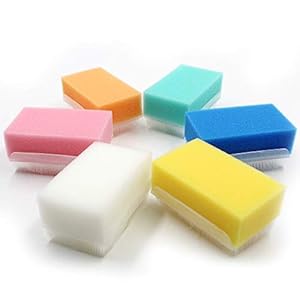
Here are some products I have tested with my son and have made a difference, feel free to explore.