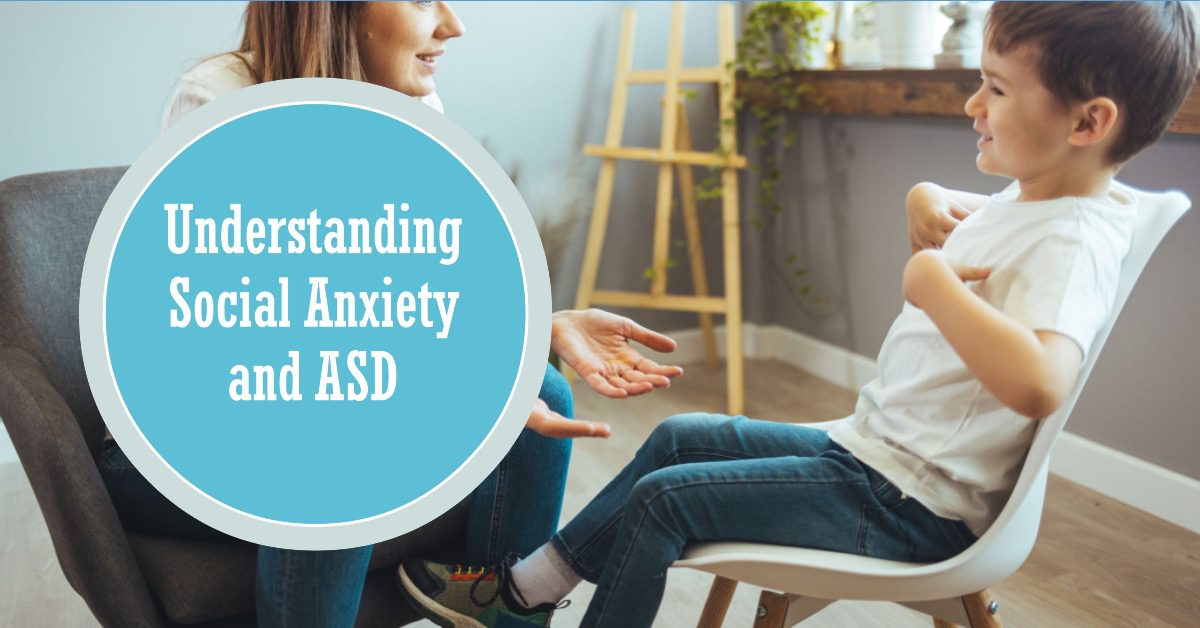
Understanding Social Anxiety and ASD: Embracing Individuality and Sensory Sensitivities
Many children on the autism spectrum face challenges when it comes to participating in social activities like going to a movie, restaurants, parties, or school. These situations often require them to conform to societal “social norms,” but it is important to recognize and appreciate the difficulties they experience and acknowledge their efforts.
As a naturally social person, I had no trouble with social interactions, even with strangers. However, when my son was diagnosed with Autism Spectrum Disorder (ASD), I realized that I lacked an understanding of what this meant for our future. I embarked on a journey of research to comprehend the complexities of his condition and the challenges he faced due to my lack of understanding.
As a first-time mom, I made numerous mistakes, and as a mom to a child with different needs, I made even more. When he was officially diagnosed at 2.5 years old, I decided to celebrate his third birthday with a grand party at a Local Water Park, inviting over 80 people, including many strangers to him. Looking back, I now understand that the party was more for me than for him, as I was prioritizing my social needs over his comfort.
During the party, I realized that all he wanted was to enjoy the water slides with his mom and dad, caring little about the presents, people, or cake. The loud noises from the large group singing “Happy Birthday” overwhelmed him, and I learned that children, regardless of neurotypical or neurodiverse, have personal boundaries regarding physical affection.
Reflecting on that day, I wish I had spared him from the painful memories caused by the overwhelming setting. Children with ASD often feel more comfortable in smaller, familiar settings due to their heightened senses. Research indicates that individuals with ASD may experience amplified hearing and sensitivity to taste, making crowded places and loud noises particularly distressing.
Through my journey of understanding, I came across helpful resources like videos on YouTube that shed light on ASD and social anxiety. I realized that birthdays should be about the child’s enjoyment, and accommodating their unique needs and preferences is paramount.
I’d love to share some strategies that have helped my son when he faces anxiety and stress. I always carry stretchy strings in my purse because it helps him focus on one sense, easing his emotional rollercoaster.
While stretchy strings work for us, it’s essential to find what brings comfort to your loved one, like headphones, weighted stuffed animals, or glasses. At first, I kept our situation private, but gradually, sharing our journey has made a significant difference in providing understanding and space for our son in social settings. Remember, we can’t cover the sun with a finger, and embracing support makes the journey easier for us all.
In conclusion, it is crucial to embrace the individuality of children with ASD and be considerate of their sensory sensitivities. Understanding their challenges and providing them with supportive environments will help them thrive. By celebrating their milestones in ways that bring them comfort and joy, like spending a simple day at the beach with loved ones, we can create cherished memories that truly matter.
Share this:
- Share on X (Opens in new window) X
- Share on Facebook (Opens in new window) Facebook
- Print (Opens in new window) Print
- Email a link to a friend (Opens in new window) Email
- Share on LinkedIn (Opens in new window) LinkedIn
- Share on Reddit (Opens in new window) Reddit
- Share on Tumblr (Opens in new window) Tumblr
- Share on Pinterest (Opens in new window) Pinterest
- Share on Telegram (Opens in new window) Telegram
- Share on WhatsApp (Opens in new window) WhatsApp
- Share on Mastodon (Opens in new window) Mastodon
- Share on Nextdoor (Opens in new window) Nextdoor