Children on the autism spectrum thrive on routine and consistency. While occasional ventures outside their comfort zone are valuable, maintaining a steady routine is paramount for their well-being. Here are some strategies and insights to consider:
1. “First – This and then That” Approach: This method involves establishing a predictable sequence of events. For instance, tackling homework before indulging in playtime. This structure provides a sense of security as they know what to expect, reducing anxiety and uncertainty.
2. Visual Schedules: Creating visual schedules with symbols or pictures for routine activities can be incredibly helpful. These schedules act as visual guides, offering a clear roadmap of the day’s events, making transitions smoother.
3. Weekly Plans and Upcoming Events: Extending visual schedules to include weekly plans helps in preparing for upcoming visitors or events. By familiarizing your child with changes beforehand, you can help alleviate anxiety related to new experiences.
4. Family Faces in Focus: Crafting monthly picture books with familiar faces helps maintain a connection with extended family and friends. This practice nurtures a sense of familiarity, making social interactions more comfortable.
5. Consistency in Outings: Maintaining consistent outings, such as haircuts, dental appointments, and therapy sessions, builds familiarity and reduces stress associated with new situations. Providing advance notice about these events can prepare your child mentally.
6. Expanding the Social Circle: Encouraging friendships within a supportive environment is essential. Seek out inclusive playgroups, clubs, or activities that offer a safe space for your child to connect with peers who understand their unique needs.
7. Balancing Screen Time: While gadgets have their place, ensuring a healthy balance between screen time and real-world interactions is crucial. Engaging in physical activities, creative pursuits, and outdoor play contributes to a well-rounded childhood.
8. Structured Activities: Engaging your child in structured activities, such as music lessons, art classes, or sports, can provide a sense of purpose, boost self-esteem, and offer opportunities for social interaction.
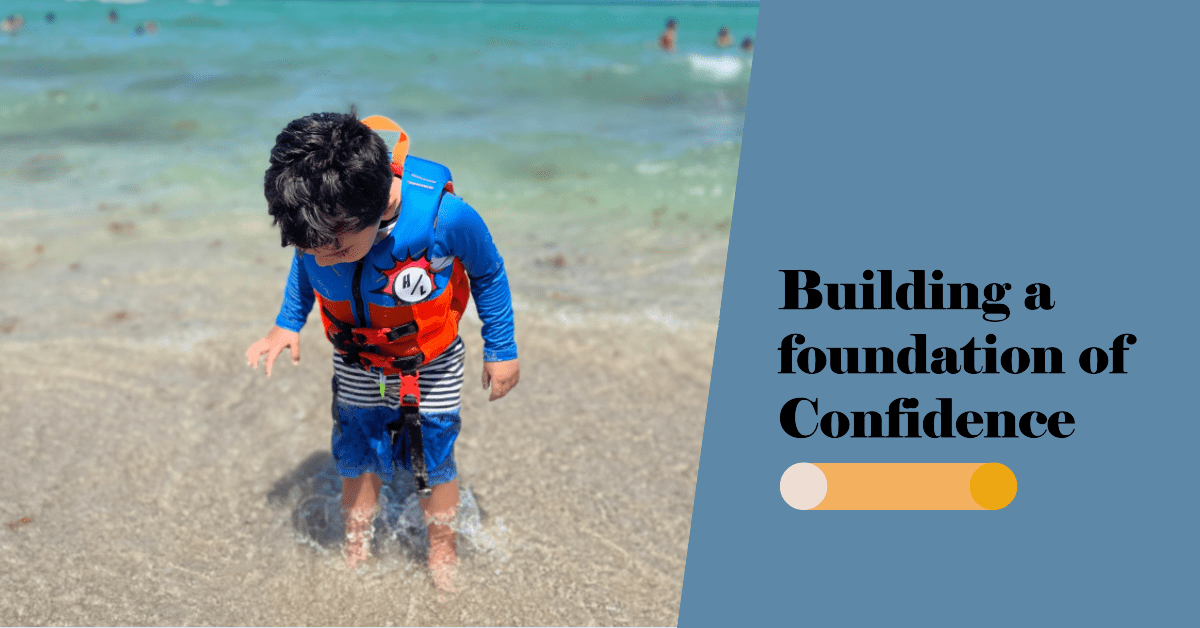
9. Swim Lessons and Sensory Fulfillment: Enrolling your child in swim lessons, like we did, can be highly beneficial. Swimming meets various sensory needs, provides a soothing environment, and offers opportunities for relaxation and engagement.
10. Inclusive Sports Activities: Explore sports activities tailored for children with autism. Participating in such programs fosters teamwork, communication skills, and a sense of accomplishment.
11. Resourceful Parenting: Seek guidance and resources from organizations such as the [Center for Autism and Related Disabilities (CARD)] to access valuable support, information, and connections within your community.
By weaving these strategies into your routine, you can create a nurturing environment that allows your child to flourish and gain the confidence they need to navigate the world around them. Remember, every child is unique, so tailor these suggestions to suit your child’s specific needs and preferences.
Recommended Products:
Share this:
- Share on X (Opens in new window) X
- Share on Facebook (Opens in new window) Facebook
- Print (Opens in new window) Print
- Email a link to a friend (Opens in new window) Email
- Share on LinkedIn (Opens in new window) LinkedIn
- Share on Reddit (Opens in new window) Reddit
- Share on Tumblr (Opens in new window) Tumblr
- Share on Pinterest (Opens in new window) Pinterest
- Share on Telegram (Opens in new window) Telegram
- Share on WhatsApp (Opens in new window) WhatsApp
- Share on Mastodon (Opens in new window) Mastodon
- Share on Nextdoor (Opens in new window) Nextdoor