
Understanding ASD

Autistic Burnout: What Parents Should Understand and What We Still Don’t Know
Read More…: Autistic Burnout: What Parents Should Understand and What We Still Don’t KnowWhen a child seems drained for weeks and needs more support with familiar parts of the day, parents may hear the phrase autistic burnout. Here is what research can tell us, where evidence about children is thin, and how to respond without overlooking a medical concern.
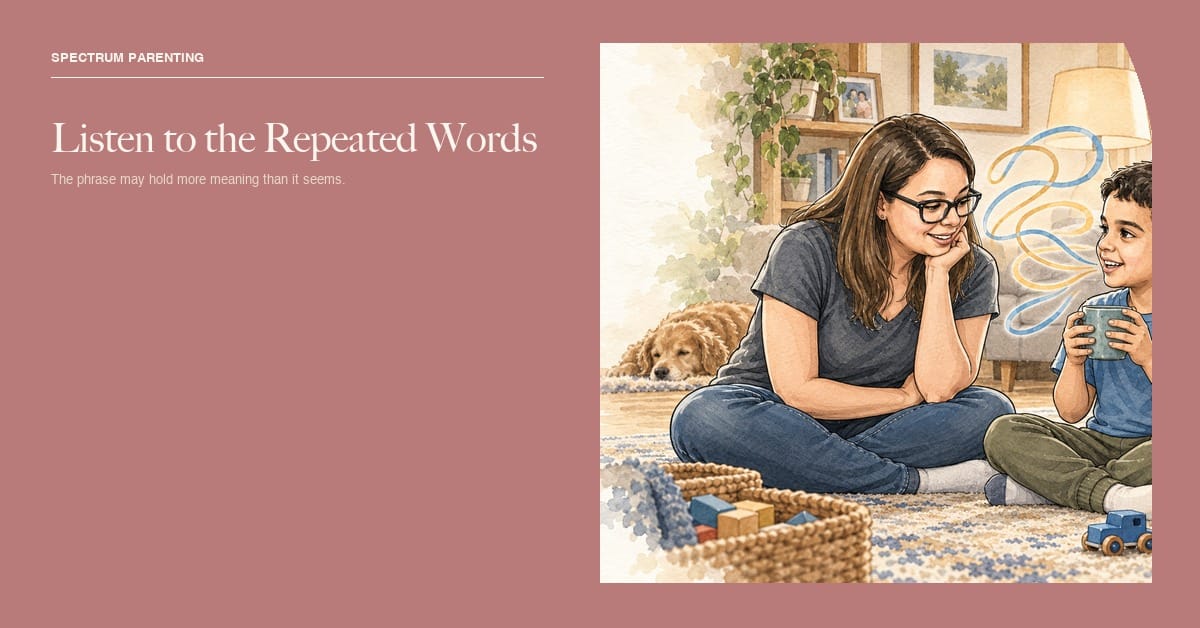
“Why Does My Child Repeat That?” Understanding Echolalia
Read More…: “Why Does My Child Repeat That?” Understanding EcholaliaA child may repeat a question, a line from a show, or a phrase heard days ago. Echolalia can carry meaning, help with processing, or offer comfort, and listening to its context is a better first step than trying to silence it.

Autism and Dental Care: Preparing for a Visit Without Ignoring Pain
Read More…: Autism and Dental Care: Preparing for a Visit Without Ignoring PainThe light, sounds, tastes, and touch of a dental visit can be a lot for an autistic child. Preparation matters, but so does noticing pain and finding a dentist who can adjust care without postponing treatment a child needs.

Making Medical Visits More Accessible for Autistic Kids: Blood Draws, Vaccines, and Exams
Read More…: Making Medical Visits More Accessible for Autistic Kids: Blood Draws, Vaccines, and ExamsA routine appointment can become overwhelming before the exam even begins. A short communication profile, a call ahead, and a plan for sensory and pain support can help the care team meet your child where they are.

Autism and Genetic Testing: What Results Can and Cannot Tell Your Family
Read More…: Autism and Genetic Testing: What Results Can and Cannot Tell Your FamilyA genetic testing referral can bring a stack of unfamiliar words and difficult questions. Here is what common tests look for, how to read the possible results, and what to ask before sharing your child’s DNA.
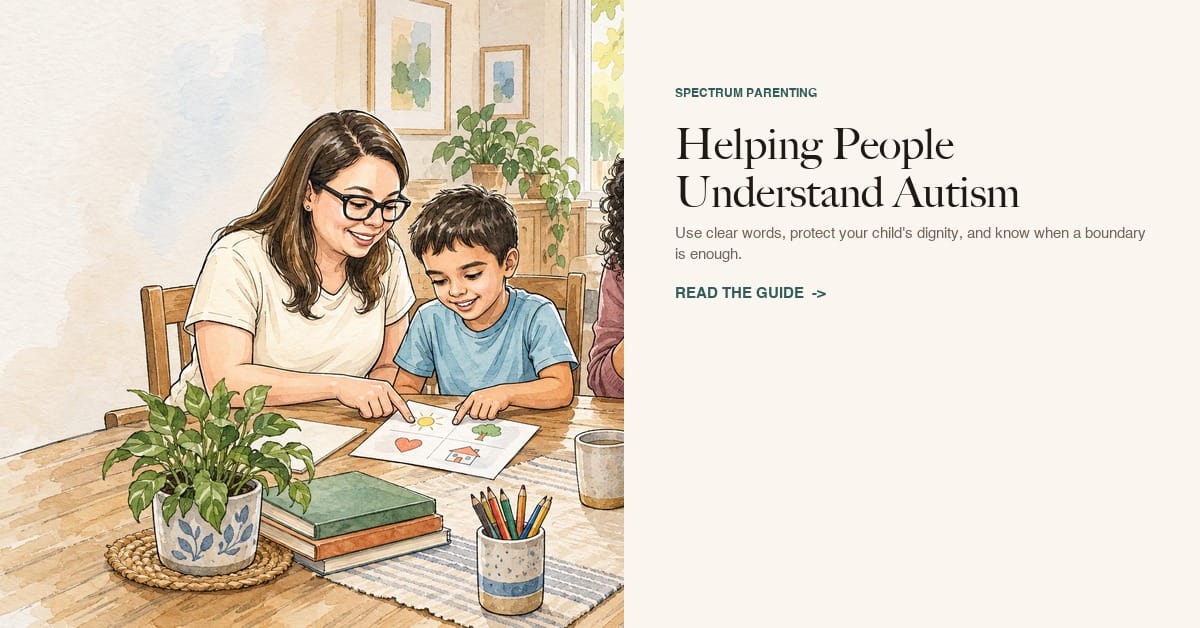
Explaining Autism to People Who Don’t Understand
Read More…: Explaining Autism to People Who Don’t UnderstandExplaining autism can be hard when someone is holding on to stereotypes or judging a child’s behavior. These simple scripts help parents correct assumptions, request real support, and know when a boundary is enough.
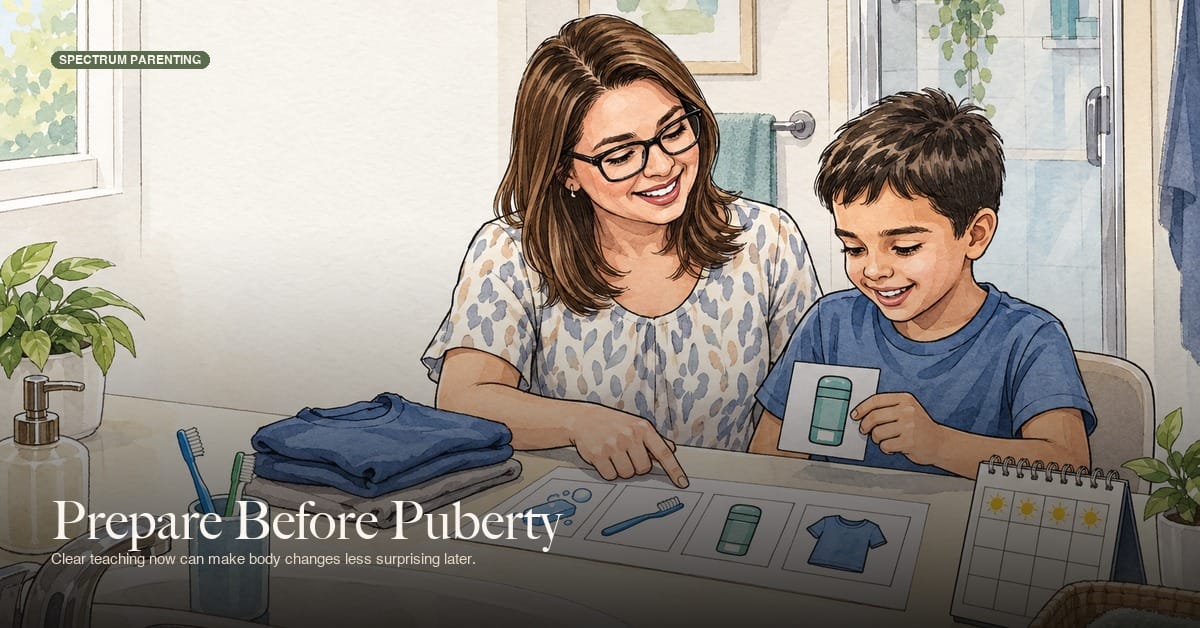
Autism and Puberty: What Parents of Younger Children Should Learn Now
Read More…: Autism and Puberty: What Parents of Younger Children Should Learn NowMy son is eight, so I am learning before puberty makes every conversation urgent. Clear teaching about body changes, hygiene, privacy, consent, and safety can begin in small age-appropriate steps.
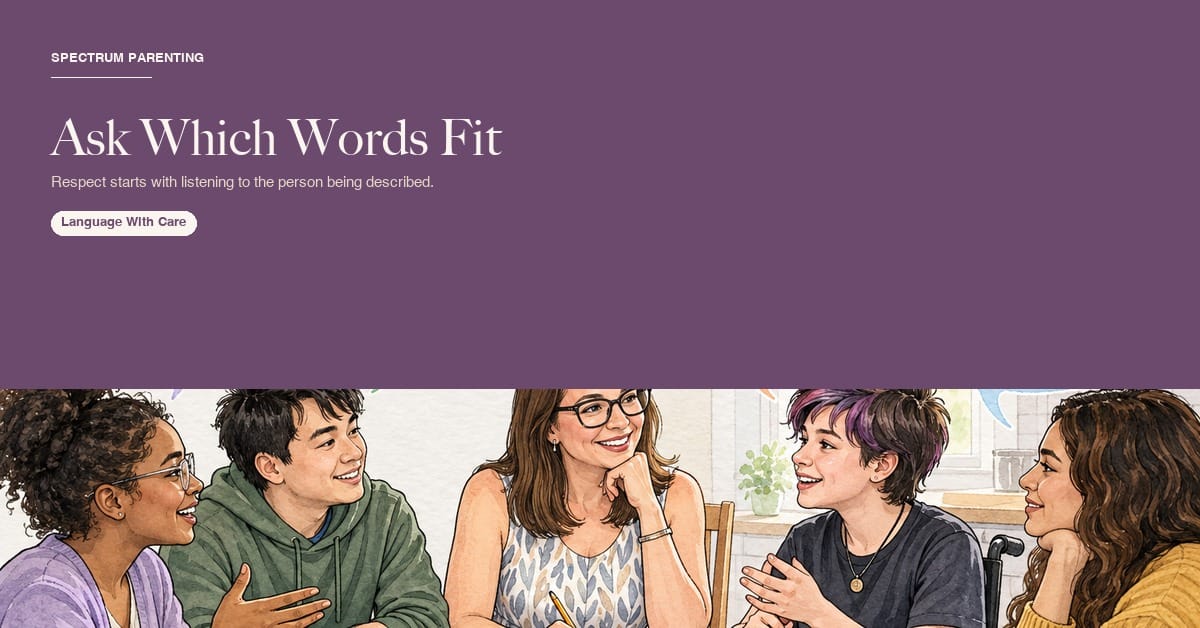
Person-First vs. Identity-First Language: What Parents Should Know
Read More…: Person-First vs. Identity-First Language: What Parents Should KnowSome autistic people prefer identity-first language, while others choose person-first wording or another term. Respect begins with understanding the difference and asking the person being described.

Surviving Thanksgiving and the Holidays with a Sensory-Sensitive Child
Read More…: Surviving Thanksgiving and the Holidays with a Sensory-Sensitive ChildHoliday gatherings can stack noise, food changes, social demands, and broken routines into one long day. A flexible plan can protect connection while giving an autistic child room to regulate.
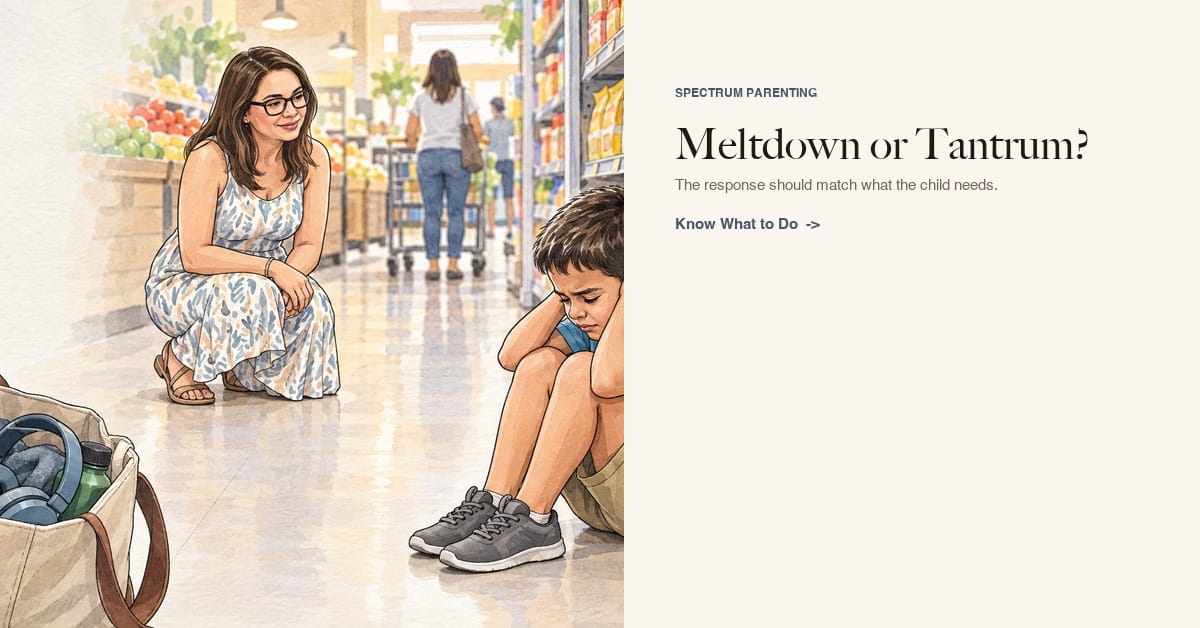
Meltdown vs. Tantrum: How Parents Can Tell the Difference
Read More…: Meltdown vs. Tantrum: How Parents Can Tell the DifferenceA meltdown and a tantrum can look similar from the outside, but the child may need a very different response. Learn what to watch before, during, and after the behavior without adding shame.
Recent Posts
Autistic Burnout: What Parents Should Understand and What We Still Don’t Know
“Why Does My Child Repeat That?” Understanding Echolalia
Autism and Dental Care: Preparing for a Visit Without Ignoring Pain
Making Medical Visits More Accessible for Autistic Kids: Blood Draws, Vaccines, and Exams
Autism and Genetic Testing: What Results Can and Cannot Tell Your Family
Explaining Autism to People Who Don’t Understand
Featured Posts
About Me

I am Caren – I’ve been wanting to start a blog because I feel the need to share my journey, struggles, and victories with others. When it comes to describing myself, I wear many hats: wife, keeper of my house, corporate world employee, friend, sister, and daughter. But above all, I identify most strongly with being called “Mama.” In this space, I’ll be focusing on the role of motherhood, which has taken me on the wildest roller-coaster ride of my life.