A Two-Part Series on Autism Spectrum Disorder (ASD) Part Two
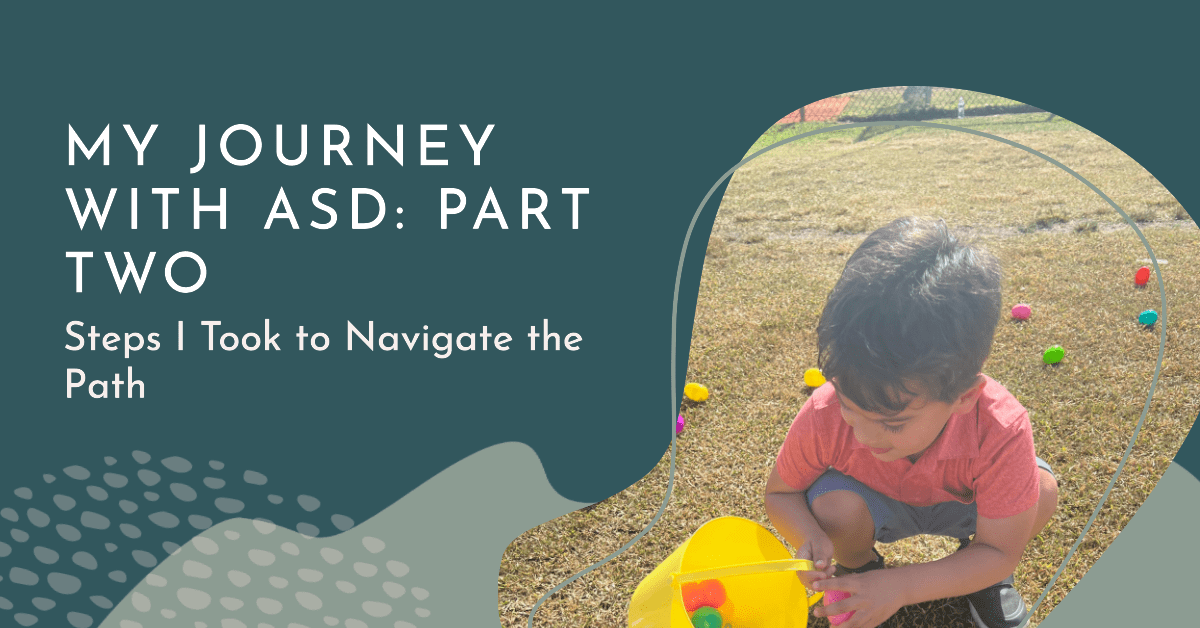
As I ventured deeper into the realm of understanding Autism Spectrum Disorder (ASD), I found myself struggling with an overwhelming sense of information and the desire to adopt every recommended approach. Through my exploration of various resources and research avenues, I soon realized the importance of pacing myself and focusing on one step at a time. Today, we are going to explore the steps I took toward early Intervention and how they helped me in Navigating the Path of ASD.
If you missed the first part of this series, feel free to click here: Navigating the Colors of the Spectrum: Unveiling the Varied Aspects of Autism to check it out! I recommend it!
To navigate this intricate landscape effectively, I highly recommend creating a comprehensive list of goals you wish to tackle. By concentrating on one objective at a time, diligently working towards mastery and execution, and witnessing gradual progress, you’ll find a sense of achievement and direction. I recall nights spent poring over information until exhaustion took me into a realm where my dreams were filled with possibilities. The journey to finding answers and solutions can be all-consuming, but it’s essential to find a balance that works for you.
I decided to take a proactive approach by conceptualizing a perfect world where all my aspirations were realized. From this vision, I began my journey by selecting a starting point: therapy. The importance of early intervention became evident, yet my experience underscored the fact that there’s no one-size-fits-all solution. Months of relentless questioning, guidance-seeking from medical professionals, and a chain of therapies gradually formed a structured plan. This journey led me from one therapy to another, involving interactions with psychologists, psychiatrists, neurologists, and numerous evaluations.
Over time, I established a network of trusted medical experts and honed the skill of obtaining authorizations and scheduling appointments efficiently. The wait time for specialists, such as neurologists, can be substantial, prompting me to schedule follow-up appointments as early as possible.
My focus then shifted to addressing my son’s dietary needs. Given his picky eating habits, his diet was becoming increasingly restricted. In my pursuit of ensuring his nutritional requirements, I stumbled upon a game-changing revelation. I integrated essential vitamins into his diet by blending them with his preferred medium—milk. This innovative approach eventually evolved into the world of smoothies, where I began incorporating fruits, vegetables, and greens. The transition was smooth, thanks to his attachment to his bottle. Today, he actively participates in creating his smoothies, expanding his palate, and embracing new flavors.
Building on this nutritional progress, I embarked on a mission to establish a healthier diet for my son. This journey encompassed adopting organic products, meticulously cleaning produce to eliminate dirt and potential pesticides, and transitioning to a gluten-free diet. I introduced novel foods without pressuring him to eat them, aiming to build tolerance and acceptance. As he embraced a more varied diet, I explored crafting soups with blended vegetables that could be easily incorporated into various dishes.
The result was remarkable—he now eats independently, using utensils and consuming solids with confidence. These dietary adjustments significantly alleviated his chronic constipation issues, highlighting the potential impact of nutrition on overall well-being.
With the foundation of dietary improvements in place, I embarked on the path of detoxification. Although I am aware that ASD cannot be cured, my research unveiled a link between metal toxicity, mold, and other impurities with potential neurodevelopmental effects. I chose a detoxification route tailored to my son’s needs, integrating natural ingredients and making informed dietary choices.
Detoxification efforts began with reevaluating our water source. I discovered that purified water, while seemingly beneficial, stripped away essential minerals. Spring water and a home filtration system emerged as superior alternatives, supporting the body’s mineral balance.
The journey towards a more natural approach extended to medications. Concerns about potential side effects prompted me to explore herbal and alternative remedies as substitutes. Key choices included fish oil for neurodevelopment and magnesium for improved attention. These adjustments, coupled with a daily multivitamin in liquid form, contributed to maintaining his health and reducing his reliance on conventional medications.
To promote better sleep, I introduced organic Epsom salt and baking soda bubble baths before bedtime. This practice resulted in improved sleep patterns and a reduction in periods of distant staring. As we explored these adjustments, I gained a deeper understanding of my son’s unique needs and abilities.
Reflecting on his journey, I credit his progress to the synergy of these approaches. While there isn’t a single solution that catalyzed his development, the combination of therapies, nutrition, detoxification, and natural remedies collectively contributed to his growth.
Undoubtedly, this journey is demanding, but I embrace it wholeheartedly because I recognize that giving my son the tools he needs is the most valuable endeavor. Progress might be gradual, but the dedication to trying remains unwavering.
To those on a similar path, I offer my best wishes. Keep reading, keep asking questions, and most importantly, keep trying. My son’s journey from non-verbal to speaking in full sentences, from selective eating to diverse dietary habits, and from facing challenges to excelling in his classroom is a testament to the power of perseverance and unwavering belief.
Remember, this is your personal journey and your unique experience. Do plenty of research and ask many questions and do what is best for your journey your story.
Stay focused! And do not give up!
Caren
Share this:
- Share on X (Opens in new window) X
- Share on Facebook (Opens in new window) Facebook
- Print (Opens in new window) Print
- Email a link to a friend (Opens in new window) Email
- Share on LinkedIn (Opens in new window) LinkedIn
- Share on Reddit (Opens in new window) Reddit
- Share on Tumblr (Opens in new window) Tumblr
- Share on Pinterest (Opens in new window) Pinterest
- Share on Telegram (Opens in new window) Telegram
- Share on WhatsApp (Opens in new window) WhatsApp
- Share on Mastodon (Opens in new window) Mastodon
- Share on Nextdoor (Opens in new window) Nextdoor