When my son was around 1.5 years old, I began to notice that his speech development was progressing differently than I had expected. It’s a situation that many parents may recognize – initially thinking it’s just a phase, much like I did at the time. Today, I’d like to share my personal journey and emphasize the profound impact that Early Intervention can have, particularly for children with Autism.
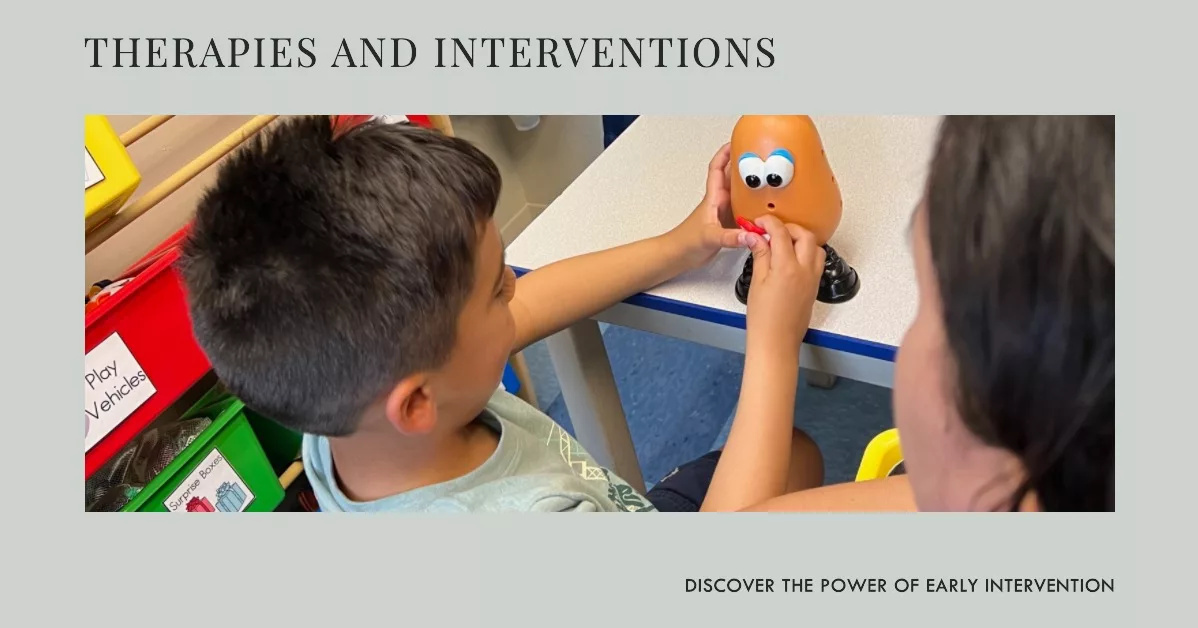
First and foremost, it’s important to understand that therapy isn’t a miraculous fix or a quick solution. When we engage our children in therapy, we’re not seeking a magical remedy. Instead, we’re providing them with tools and strategies that help them bridge developmental gaps and navigate the world around them more effectively. We’re empowering them to communicate, interact, and express themselves in ways that work for them.
In the beginning, I meticulously counted every word my son uttered, diligently noting them down in a notebook. However, I soon realized that communication is so much more than a word count – it’s about functional communication, meaningful exchanges, and the ability to express thoughts and needs.
Upon consulting a speech therapist at his preschool, the need for therapy became evident. Yet, as fate would have it, the pandemic disrupted these crucial sessions, prompting me to dig deeper in search of solutions.
This journey led me to discover the Early Steps program, a comprehensive service designed for Florida residents. Similar programs likely exist in your state as well. The program provides tailored evaluations and early intervention services based on your child’s unique needs and circumstances.
Allow me to share some of my personal experiences, hoping they shed light on your path. My son’s challenges with chewing had a significant impact on his speech development. It’s a reminder that eating and speech are intertwined – the movements involved in chewing play a role in shaping tongue and mouth coordination, which is crucial for speech.
My first recommendation is Feeding Therapy, a foundational step toward improved speech. Beyond introducing new foods, this therapy focuses on fostering communication during mealtime interactions. It’s important to recognize that our facial muscles play a role in speech, which makes feeding therapy an integral component.
Feeding Therapy gradually transitioned into Speech Therapy, which remains essential even for non-verbal children. Early intervention Speech Therapy goes beyond spoken words, aiming to alleviate frustration caused by communication barriers. This, in turn, reduces self-injury and undesirable behaviors.
As we progressed with speech therapy, we became acutely aware of my son’s struggles with maintaining focus for extended periods. This led us to Occupational Therapy (OT), a therapy that enhances motor skills and sensory awareness. OT also provides strategies for regulating attention, like incorporating a mini-trampoline. It was through OT that I began to truly understand my son’s sensory needs.
This journey eventually paved the way for Physical Therapy, which not only improved his motor skills and coordination but also prepared him for daily activities.
While the idea of navigating various therapies may seem overwhelming, it’s crucial to embrace early intervention. Beyond the age of 5, bridging developmental gaps becomes more challenging. The combined efforts of these therapies have yielded remarkable progress for my son. It’s essential to remember that therapy isn’t a cure, but rather a pathway to progress and growth.
Furthermore, I’m excited to share that this blog is part of a collaborative effort focused on exploring ASD in greater depth. You can find valuable insights and information at  Lattes & Littles. The blog covers topics such as Diet & Nutrition, Mental Health, Education, and Support for Parents.
In the realm of early intervention, there are numerous resources and avenues of support:
- Center for Autism and Related Disabilities (CARD) : This organization offers a wealth of information and guidance tailored to your community.
- Broward County Parks & Recreation Special Populations: They provide safe and nurturing social activities for children.
- Medicaid Waiver: Financial assistance options for therapies.
Always remember, you’re not alone on this journey, and the dedication you show as a parent is truly commendable.