

The appointment is at nine. The waiting room television is already loud, the fluorescent lights are bright, and someone calls your child’s name just as they have begun to settle with a book. Before the doctor has asked a single question, the visit has asked a lot of your child.
I want routine care to be more usable for autistic children. We should be able to ask a clinic to explain what will happen, listen to a child’s communication, and plan for pain. A blood draw or vaccine may still be difficult. Preparation is a way to make room for the child, not a promise that there will be no tears.
The CDC’s guidance for vaccinating children with disabilities suggests telling the provider about needed accommodations when making the appointment. It names a quiet room, less bright light, and a clear explanation of what the provider will do as possible supports. Those are useful starting points for an ordinary exam, too. The right plan depends on the child and the procedure.
Make the first conversation before the visit

When calling to book, I would say what the appointment involves and ask to speak with someone who can help plan it. “My child is autistic. Waiting in a crowded room and unexpected touch can be hard. Can we talk through how the visit will work?” That is more useful than hoping the chart’s diagnosis flag will explain everything.
Ask what can happen in a quieter space, whether a first or last appointment is available, and whether you can wait somewhere other than the main waiting room. Ask if the clinician can allow extra time and whether the exam has steps that can be done in a different order. A child who tolerates listening to a heart before having a temperature taken may have a better visit when the team can switch those two tasks. The clinic may not be able to grant every request, but it cannot consider a need it has never heard.
I would send a one-page communication profile ahead of time if the office accepts it, and bring a copy. Keep it practical:
- How the child says yes, no, stop, or “I need a break,” including gestures or a communication device.
- What helps the child understand a new step: a demonstration, one sentence at a time, a picture, or seeing the equipment first.
- Touch, sound, light, smell, or positioning that may be especially difficult.
- What has helped at earlier appointments, and what made one harder.
- How the child usually shows pain or distress, which may differ from what a stranger expects.
The profile is not a script the child must follow. It gives the staff a quicker way to meet them. It also keeps the parent from having to tell a complicated history while holding a bag, answering intake questions, and trying to help the child settle.
If the visit includes more than one task, ask which tasks can be combined and which need separate appointments. One trip may mean less disruption for a child who finds travel and waiting hard. For another child, an exam plus vaccines plus a blood draw could be too much at once. The clinician should help decide what can safely be spaced out and what care is due now. This is especially important if a test was ordered for a current medical concern. The parent is asking for a workable sequence, not trying to avoid care.
Prepare honestly at home
I would explain the visit in simple, true steps. “We will go to the clinic. We may wait. The nurse will tell us what comes next. There will be a small needle for the vaccine. Then we can leave.” For a routine exam, a drawing or a few photos of the office may help. For a blood draw, the child might want to see a bandage, practice holding out an arm, or decide what to look at while the sample is taken. Another child may find extra rehearsal upsetting. Follow the child you have, not a preparation checklist that worked for someone else.
The Autism Treatment Network’s blood draw guide includes visual supports, distraction, relaxation, and pain-management planning. Those tools are options to try with the clinical team. They should not be used to mislead a child about a painful step. “You won’t feel anything” can damage trust when the child does feel it. “It may pinch, and I will stay with you” gives a truer picture.
Preparation can include a recovery plan. Ask where your child can sit afterward, whether they can have water or a snack when medically appropriate, and whether there is time to settle before going back into a noisy hallway. If a procedure requires fasting or has other instructions, follow the clinical team’s directions rather than assuming the usual comfort routine will fit. A familiar item may help during the wait; a simple, predictable next step can help after the procedure.
Ask in advance about the provider’s pain plan. Depending on the procedure and medical situation, the team may discuss a topical numbing product, positioning, comfort measures, or another approach. Follow their instructions about timing and use; do not apply a medicine or change a prescribed plan based on a general article. If your child has had a difficult needle experience, say so clearly. The team needs to know what did not work as well as what did.
During the appointment, keep communication open
Introduce the child to the person doing the procedure, not only to the room. Ask the clinician to tell the child before touching them and to use the communication method you described. Even when a parent gives legal consent for care, a child can be offered meaningful choices: which arm to examine first, whether to sit next to a parent, or when to take a short pause if the procedure allows one. Those choices do not remove the need for treatment. They can reduce the number of surprises.
I would avoid stacking instructions. “Sit still. Look at me. Be brave. Count to ten” is a lot to process while a stranger is approaching with equipment. One clear sentence, followed by enough time to respond, is kinder and more useful. If the child uses a communication board or device, keep it within reach. If they repeat a phrase, look at the situation before assuming the phrase has no meaning. A child may be asking for help in a way the room does not expect.
The parent can help interpret without speaking over the child. “When she pulls her sleeve down, she usually means she needs a break.” “He can answer if you give him a few seconds.” “Please show the cuff before putting it on.” We can ask staff to slow down and still respect their clinical judgment about what cannot wait.
Blood draws, vaccines, imaging, and exams are different. An X-ray or scan may have safety instructions about movement or metal objects. A blood draw may require a particular site and clean technique. Some steps can be adapted; some cannot. Ask the team which parts are flexible. A useful plan names both the accommodation and the safety limit, so no one discovers the limit mid-procedure.
If an office says it cannot provide an accommodation, ask what it can do and who can help find another setting. Perhaps the vaccine can be given in a quieter room at the same clinic. Perhaps a hospital-based team is better equipped for a particular procedure. Ask who will transfer the order or records, and when you should expect the next appointment. The family should leave with a path to needed care, not a vague instruction to “try somewhere else.”
When a visit begins to go badly
If a child is distressed, ask what is medically necessary today and what can safely wait for another visit. A brief pause may let the team reset the plan. It may also be time to stop a nonurgent attempt and arrange a clinician who has more experience, a different setting, or a different pain approach. Repeated attempts without a plan can make the next visit harder.
That does not mean delaying urgent medical care because an appointment is difficult. Breathing trouble, serious injury, severe pain, or another emergency needs prompt evaluation. Tell emergency staff about communication and sensory needs while seeking care; do not wait for the perfect accommodation before getting help. For less urgent care, a primary clinician can help decide how long a test can reasonably wait and what alternative setting is appropriate.
After the visit, write down the practical details. Which waiting arrangement worked? Did the child prefer a demonstration or fewer words? Was the pain plan enough? What would you ask the office to change next time? Share that short note with the child’s care team. A successful appointment can be useful information, and so can one that failed halfway through.
I don’t want the bar for a “good” visit to be a child who never protests. I want the child to receive needed care with honest explanations, a real way to communicate, and people who take distress and pain seriously. If the plan needs changing, that is information the adults can use. The child should not carry the whole burden of making a clinic accessible.
Caren
A Few of Our Go-To Favorites
Shop the Full StorefrontThese storefront picks cover other parts of family life; none is a treatment for the topic in this article. Check Amazon for current prices and availability.

Trekassy 40 inch Saucer Tree Swing (Sensory Toys)
From Caren’s storefront collection.
See current price

Skoolzy Peg Board Set (Sensory Learning Toys)
From Caren’s storefront collection.
See current price
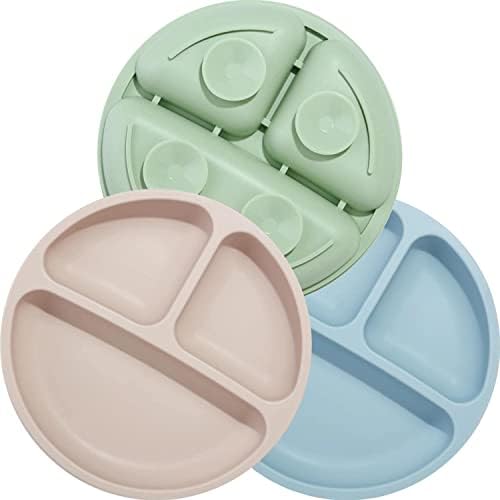
PandaEar Divided Suction Plates (Feeding Tools)
From Caren’s storefront collection.
See current price

MaryRuth's Kids Ionic Zinc Drops (Suppliments)
From Caren’s storefront collection.
See current price

Boon Travel Drying Rack (Travel Essential)
From Caren’s storefront collection.
See current price

SwimWays Dive and Catch Game (ASD Swimming Gear)
From Caren’s storefront collection.
See current price