
A child who suddenly refuses the school bus, wakes at 2 a.m., and starts pressing a hand against his stomach is giving us information. The hard part is that the information does not arrive with a label.
It is easy for every new struggle to get folded into autism. Sometimes the change is connected to sensory overload, communication, or a disrupted routine. Sometimes it is attention-deficit/hyperactivity disorder, anxiety, constipation, reflux, poor sleep, or another health problem that deserves its own evaluation and treatment. The goal is not to collect labels. It is to notice when “that is just autism” is keeping a child from getting help.
Start with the change, not a diagnosis
A new behavior is a good reason to pause and ask what changed. The American Academy of Pediatrics clinical report on autism notes that behavior changes can be a sign of pain or another medical condition. It also recommends evaluating gastrointestinal symptoms in autistic children using the same clinical approach used for other children.
That is a useful reset. We do not have to decide whether something is “autism behavior” before calling the pediatrician. We can describe what we see: when it began, how often it happens, what comes before it, what makes it better, and what else changed around the same time.

Make a one-page pattern log
You do not need a complicated spreadsheet. A week or two of brief notes can reveal more than a general statement like “he has been having a hard time.” Record the date and time, the setting, what happened just before the behavior, what the child did, how long it lasted, and what helped.
- Sleep: bedtime, waking, snoring, restless sleep, and daytime sleepiness
- Food and digestion: appetite, new food refusal, bowel movements, straining, diarrhea, reflux signs, and stomach pain
- School and demands: class, task, transition, noise level, and who was present
- Body clues: guarding a body part, pressing the stomach, chewing, grimacing, sweating, or a change in posture
- What helped: movement, quiet, a snack, the bathroom, a visual schedule, pain relief recommended by a clinician, or leaving the setting
Ask school or childcare staff for observations from their setting too. A pattern that appears both at home and school is different from one that only appears during a specific class, transition, meal, or social situation.
Include the calm days
It is tempting to document only the hardest moments, but comparison days help. If stomach pain appears on school mornings but not weekends, that pattern could point toward anxiety, constipation that follows a weekday routine, or both. If restlessness increases after several nights of poor sleep, the sleep change belongs in the story. If a child manages a task in a quiet room but cannot begin it in a noisy classroom, attention and environment both need consideration.
Patterns are clues, not proof. A bathroom log cannot diagnose a gastrointestinal condition, and a school checklist cannot diagnose ADHD. Their value is that they help a clinician ask better questions and decide what evaluation should come next.
When ADHD may be part of the picture
Autism and ADHD can occur together. The question is not whether an autistic child can sit still during a favorite activity. Many children can focus deeply on something that interests them. An ADHD evaluation looks at persistent patterns of inattention, impulsivity, or hyperactivity that interfere with daily life and appear in more than one setting.
Bring concrete examples instead of a conclusion. “He misses three of the four steps when getting dressed even with the same picture schedule” is more useful than “I think he has ADHD.” So is “She leaves her seat during independent work but stays seated during read-aloud.” The AAP ADHD guideline recommends gathering information from parents, teachers, and other adults involved in the child’s care and screening for other conditions that could explain or accompany the symptoms.
Sleep problems, anxiety, pain, learning differences, and a poor fit between the child and the environment can all look like inattention or restlessness. A careful assessment should consider those possibilities instead of relying on one questionnaire or one difficult week.
When anxiety may be driving the behavior
Anxiety does not always look like a child saying, “I feel worried.” It may look like repeated reassurance questions, refusal, freezing, irritability, a need to control small details, stomachaches before school, or a meltdown when an expected plan changes. Some autistic children have difficulty identifying or describing internal sensations, so adults may see the body’s alarm response before they hear an explanation.
Look for a predictable connection. Does the distress begin on Sunday night, before the bus, near a barking dog, during an unstructured lunch period, or when the child expects a difficult task? Then ask specific questions that are easier to answer than “Why are you anxious?” Try “Was the cafeteria too loud, was someone bothering you, or was it something else?” A child can point, draw, type, use AAC, or answer later. Spoken words should not be the price of being believed.
The NICE guidance for autistic children and young people recommends looking for triggers, patterns, physical disorders, mental health concerns, communication needs, and environmental factors when behavior becomes challenging. That broad view matters because anxiety treatment may include environmental changes, predictable preparation, school supports, and therapy adapted for an autistic child, not simply asking the child to tolerate more.
Do not overlook gastrointestinal pain
Constipation, diarrhea, reflux, abdominal pain, and feeding difficulties deserve ordinary medical attention. A child may not use the word “pain.” Watch for a sudden increase in aggression or self-injury, waking at night, pressing or protecting the abdomen, sitting in an unusual position, refusing previously accepted foods, spending a long time in the bathroom, or avoiding it altogether.
Bring the pattern log and a list of medicines and supplements to the pediatrician. Ask what conditions need to be ruled out and what follow-up is expected. If the first plan does not help, return with the updated record. Persistent or severe pain, blood in stool or vomit, repeated vomiting, dehydration, or unexplained weight loss needs prompt medical advice.
Be wary of anyone selling a single “gut cure” for autism. Treating constipation or reflux can absolutely improve comfort, sleep, eating, and behavior. That is different from claiming that an expensive supplement, restrictive diet, or detox will remove autism. Ask about evidence, risks, medication interactions, nutritional gaps, and how improvement will be measured before starting a major change.
What to take to the appointment
- A one-sentence description of the biggest change and when it started
- Your pattern log, including days when the problem did not happen
- Notes from school, therapy, or childcare
- A current medication and supplement list
- Sleep, eating, and bowel information
- Two or three questions you most need answered
You can say, “This is new, it is interfering with daily life, and I want to check for pain, sleep problems, ADHD, anxiety, and other possible causes.” That keeps the conversation centered on the child’s needs without demanding a particular diagnosis.
Before leaving, ask what you should watch for, what the next step is, and when to follow up. If testing is ordered, ask who will contact you with the result. If the plan is to wait, ask how long and what change would mean calling sooner. Those small questions turn a vague appointment into a plan you can actually use.
Support can begin before the label is settled
Evaluations take time. While you wait, reduce the demands that reliably trigger distress, make routines more visible, offer communication choices, protect sleep, and tell the school what you are tracking. If a child is struggling during one period of the day, ask for a temporary check-in or a quieter location rather than waiting for the next formal meeting.
Most of all, treat a change in behavior as information. An autistic child should not have to become easier for adults before pain, fear, attention needs, or exhaustion are taken seriously. The right question is not “Is this autism or something else?” It is “What is happening here, and what support would make this child safer and more comfortable?”
A few of our go-to favorites
Shop the Full StorefrontThere is not a product that sorts out a diagnosis. These are simply one real family favorite from each category in our storefront.

Trekassy 40-inch Saucer Tree Swing (Sensory Toys)
Our most-used backyard sensory swing. $39.99
View on Amazon

Skoolzy Peg Board Set (Sensory Learning Toys)
Fine motor practice without a screen. $16.99
View on Amazon
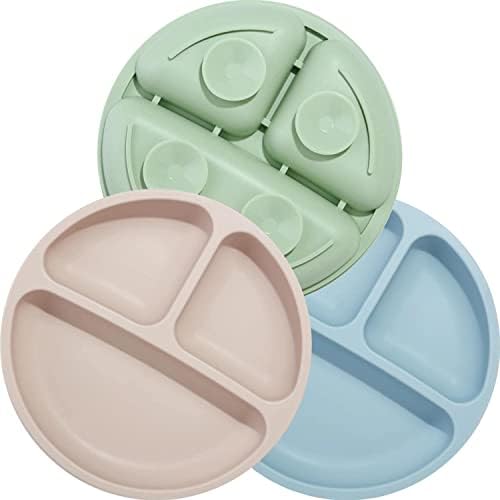
PandaEar Divided Suction Plates (Feeding Tools)
Still in our regular dinner rotation. $8.95
View on Amazon

MaryRuth’s Kids Ionic Zinc Drops (Suppliments)
Part of our everyday routine. $18.95
View on Amazon

Boon Travel Drying Rack (Travel Essential)
Small enough to pack and useful every trip. $12.70
View on Amazon

SwimWays Dive and Catch Game (ASD Swimming Gear)
Builds pool confidence without feeling like a lesson. $19.43
View on Amazon
If you are in the middle of sorting through a new change, I hope this gives you a calmer place to begin. You can always reach me through the contact page.
Caren