

The dental chair has a light pointed straight at your face. A tool hums beside your ear. Someone asks you to open your mouth while they lean close enough that you can smell their gloves. I can see why a child might find the room hard before a tooth has even been touched.
For an autistic child, the difficult part may be the sound of suction, the taste of paste, a stranger’s hand near the face, or not knowing how long an exam will last. It may also be a tooth that hurts. Those possibilities need different responses. I do not want a sensory explanation to become a reason adults miss pain.
The American Academy of Pediatric Dentistry describes dental care as a continuing process of communication and individualized support, with options ranging from simple preparation and sensory changes to more involved clinical care when needed. That makes sense to me. The appointment should be planned around the child’s needs and the dental problem in front of the team, not around an assumption that every autistic child needs the same routine.
Before the appointment, tell the dentist what helps
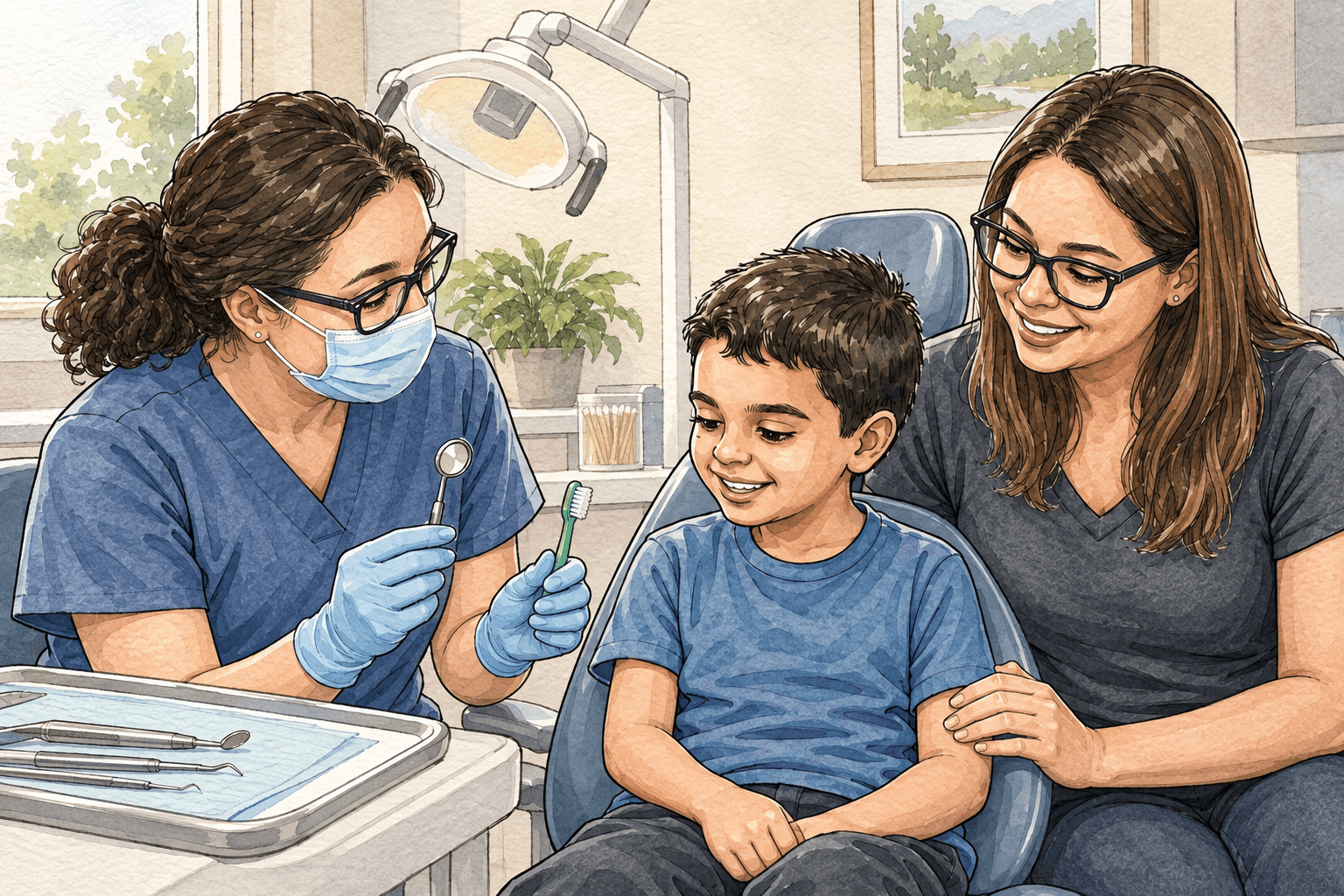
I would call the office before booking. Ask whether the dentist and staff have experience with children who communicate differently or find dental sensations overwhelming. Ask if the first visit can be shorter, whether a quiet time of day is available, and whether the child can see the room or meet the team before a cleaning. A separate familiarization visit may help some children, but it is not a substitute for care if a child already has pain or infection.
It helps to ask how the office handles a visit that cannot be completed. Will the dentist still be able to look for an obvious urgent problem? Can they arrange another appointment with a different plan? Can they refer to a pediatric dentist or hospital-based service if treatment is needed? An honest answer now is easier to use than a hurried conversation after everyone is upset. The child does not need to “earn” an exam by tolerating every step of a standard cleaning.
Give the office a short description of how your child communicates. Can they answer a question directly? Do they need extra processing time? Do they use a device, gestures, or a picture board? How do they say “stop”? Which sounds, flavors, or touches are hardest? Have they had a previous painful dental experience? A diagnosis alone will not answer those questions for the team.
The dentist should also hear about medicines, allergies, other health conditions, and any concerns about anesthesia or sedation. The AAPD’s guidance for patients with special health care needs emphasizes taking a full health history and adapting care to the person. Bring the information in writing if talking through it while your child is waiting will be difficult.
Ask the office what will happen first. A child may want to watch someone demonstrate the mirror on a finger before it goes in their mouth. Another may prefer a brief explanation and no rehearsal. If the staff can show a photo of the chair or tell you which toothpaste flavor they use, you can prepare with accurate details. Do not promise a “quick look” if X-rays or a cleaning are likely. Tell the child what you know and leave room for the dentist to explain the rest.
Make room for the child to participate
During the visit, I would ask staff to address the child directly and tell them before each touch. A parent can support communication, but the child should not be treated as an object being handed from adult to adult. Offering a choice between two safe options can help: “Would you like the mirror first or the counting first?” “Should we take a break now?” Sometimes the answer will be no. That still tells the team something about how the child is doing.
Sensory supports might include dimming the light, sunglasses if they are safe for the procedure, fewer voices at once, a familiar comfort item, or a pause between steps. Ask the dental team which of these fit the actual treatment. A blanket or headphones that help in a waiting room may interfere with a procedure or prevent the child from hearing instructions. The goal is a workable plan, not a bag full of objects that staff have never seen.
Pain control deserves its own conversation. Ask how the dentist will check whether a tooth is painful and what they will do to make treatment comfortable. A child who cannot describe “sharp” or “throbbing” still deserves assessment and relief. The AAPD’s behavior guidance recommendations say the treatment plan should include pain assessment, past experiences, informed consent, risks, benefits, and alternatives. If a proposed approach involves holding a child still, sedation, or general anesthesia, ask why it is being recommended for this particular dental need, what other options were considered, and what monitoring and consent will involve. Those are clinical decisions to make with qualified providers, not a choice to improvise at home.
A sudden change in behavior may deserve a look in the mouth
Tooth pain does not always arrive as “My tooth hurts.” A child might avoid chewing on one side, push away a toothbrush, wake more often, refuse a familiar food, hold their face, or seem unusually upset when someone comes near their mouth. Those changes can have many causes, but they are reasons to ask questions rather than deciding the child is being difficult. A dentist can check for decay, a broken tooth, gum problems, or another issue you cannot see at home.
Visible swelling, fever with dental pain, trouble swallowing, difficulty breathing, or rapidly worsening symptoms call for prompt medical or dental advice. Trouble breathing or swallowing is an emergency. For other worrying symptoms, contact the child’s dentist or medical team promptly and follow their guidance. A practice visit and a sensory story are tools for planned care; they do not treat infection.
The AAP’s toothache guidance advises contacting a dentist or doctor promptly when a child has fever, facial swelling, or severe pain. Do not wait to see whether a child becomes more willing to brush. If you cannot get through to the dental office, call the pediatrician for direction. Tell them what you can observe, including swelling, eating changes, sleep changes, and whether the child is able to drink. A child’s behavior may be the first clue, but the mouth still needs to be examined.
If the child has been unable to complete an exam, tell the dentist what actually happened. “They would not cooperate” hides the useful details. “The overhead light was manageable, but suction noise caused panic, and the second attempt was worse” gives the next clinician something to work with. The team may suggest a pediatric dentist or another setting that can deliver needed care safely. That is a care plan, not a failure by the child or parent.
Prevention should fit the child, too
Brushing is daily sensory work. Toothpaste taste, foam, bristle texture, and the feeling of someone else’s hand can all matter. The AAPD recommends an individualized home-care plan, including fluoride toothpaste and help with brushing where needed, based on the child’s oral-health risk and abilities. Ask your dentist about the amount of toothpaste appropriate for your child’s age, a tolerable flavor, and whether a different brush or technique would help. If brushing is suddenly harder than usual, check for pain before assuming the child needs more practice.
At home, the smallest adjustment may be the one that makes brushing possible: a different flavor, a softer brush, a predictable order, or letting the child hold one brush while an adult uses another. Ask the dentist which changes still protect the teeth. I would be cautious about a trick that gets a toothbrush into a child’s mouth once but makes them distrust the routine the next night. Progress can mean finding a method the child can return to, not forcing a perfect two-minute performance today.
Regular visits give the dentist a chance to catch problems before they become emergencies, but “regular” should be decided with the dentist according to the child’s risk and needs. A short successful visit can build familiarity; it should not become an excuse to skip X-rays or treatment when the clinical team thinks those are necessary. Ask what must be done now, what can be staged, and how the office will follow up.
I want the standard to be better than “we got through it.” Did the child understand what was happening? Could they signal discomfort? Did the adults notice pain? Did the dentist explain a safe next step? When those answers are unclear, we can keep asking. An accessible dental visit is still real dental care, and a child deserves both.
Caren
A Few of Our Go-To Favorites
Shop the Full StorefrontThese storefront picks cover other parts of family life; none is a treatment for the topic in this article. Check Amazon for current prices and availability.

Trekassy 40 inch Saucer Tree Swing (Sensory Toys)
From Caren’s storefront collection.
See current price

Skoolzy Peg Board Set (Sensory Learning Toys)
From Caren’s storefront collection.
See current price
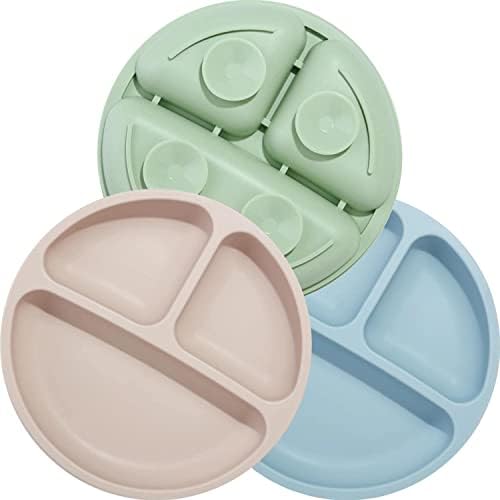
PandaEar Divided Suction Plates (Feeding Tools)
From Caren’s storefront collection.
See current price

MaryRuth's Kids Ionic Zinc Drops (Suppliments)
From Caren’s storefront collection.
See current price

Boon Travel Drying Rack (Travel Essential)
From Caren’s storefront collection.
See current price

SwimWays Dive and Catch Game (ASD Swimming Gear)
From Caren’s storefront collection.
See current price
Sources
- American Academy of Pediatric Dentistry, Behavior Guidance for the Pediatric Dental Patient
- American Academy of Pediatric Dentistry, Management of Dental Patients with Special Health Care Needs
- American Academy of Pediatric Dentistry, Definition of Medically-Necessary Care
- American Academy of Pediatrics, Toothache Symptom Checker