

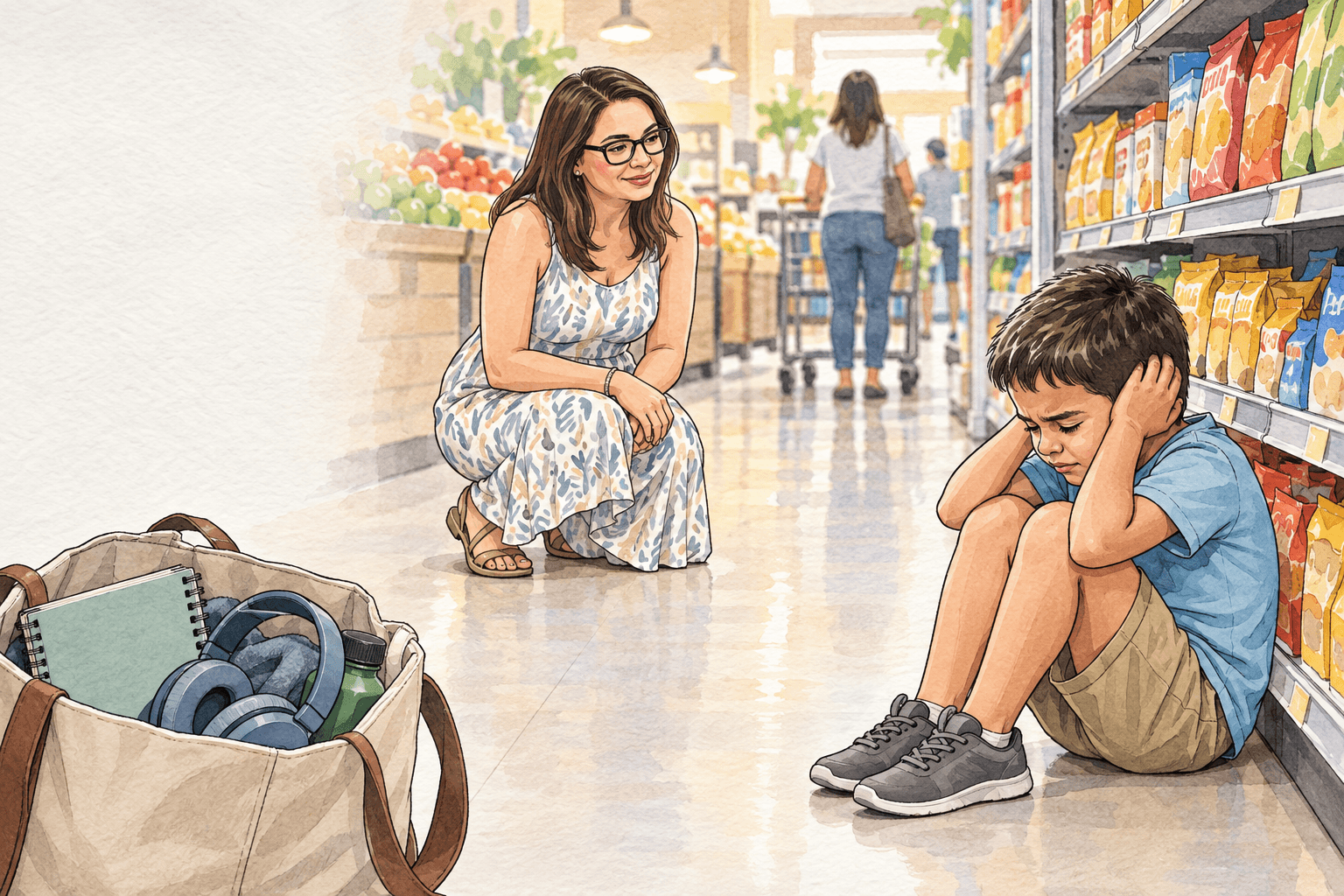
A child is crying on the floor of a bright store. People stare. Someone says, “He just wants his way.” From the outside, a meltdown and a tantrum can look similar. Inside the child, the reason and the available control may be completely different.
The label matters because it changes our response. A child working toward a wanted outcome needs a calm boundary and help tolerating disappointment. A child whose nervous system is overwhelmed needs safety, less input, fewer words, and time to recover.
A meltdown is overload
The National Autistic Society describes a meltdown as an intense response to an overwhelming situation. It is not naughty behavior. Noise, light, pain, communication strain, anxiety, hunger, fatigue, unexpected change, or too many demands can stack until the child temporarily loses access to regulation.
A tantrum usually has a goal that remains visible, such as getting an item, escaping a limit, or changing an adult’s answer. The child may check whether the audience is reacting and may settle when the goal is met. This is not a perfect test. A denied item can also be the last demand in an overloaded day, and a child can begin with frustration and move into true dysregulation.
Look backward before reacting
Behavior can communicate a problem the child cannot name yet. Ear pain, constipation, reflux, a headache, poor sleep, illness, medication changes, or dental pain may lower the amount of stress a child can handle. A new or sharply worsening pattern deserves a health check, especially when the child cannot describe internal pain reliably.
Also look at the demand itself. A worksheet may be too hard, too easy, visually crowded, or dependent on handwriting that hurts. “Refusal” tells us what the adult saw. It does not tell us why access broke down.
Ask what the child has carried for the last hour, not only the last thirty seconds. Was school unusually loud? Did the schedule change? Is clothing uncomfortable? Was lunch skipped? Has the child been masking distress? Is pain possible? Did five spoken directions arrive when one visual cue would have been easier?
The early signs may be pacing, repetitive questions, faster movement, covering ears, becoming very still, trying to leave, or losing speech. Families can keep a short before-during-after record. A pattern often appears around a place, time, sensory condition, transition, demand, or physical need.
During overload, make the world smaller
Adult body language matters. Stand to the side rather than looming over the child. Keep your face and voice neutral. Move siblings or strangers back. If the child is trying to leave a dangerous place, block the danger while showing the safe direction. Avoid surrounding the child with several adults giving different instructions.
Some children want pressure, a blanket, pacing room, or headphones. Others cannot tolerate touch or added objects. The child’s established preferences are more useful than a generic calming checklist. If you offer something, make it easy to refuse.
- Protect safety without turning the moment into punishment.
- Move people, noise, bright light, and unnecessary demands away when possible.
- Use fewer words. A familiar short phrase or visual cue may be easier to process.
- Do not insist on eye contact, an apology, an explanation, or a lesson during the peak.
- Offer familiar regulation tools without forcing touch or a strategy the child rejects.
- Allow recovery time after the visible behavior stops.
If there is immediate danger, use the least restrictive help needed to prevent injury and follow the child’s established safety plan. Repeated severe episodes, sudden behavior change, self-injury, or possible pain deserve discussion with the child’s pediatrician and support team.
A boundary can stay without becoming a battle
For a goal-directed tantrum, decide the boundary before adding words. If candy is not available before dinner, repeating ten explanations invites ten more rounds. Try: “Candy is after dinner. You can choose crackers or wait.” Then allow disappointment. Feelings are not misbehavior.
Teach replacement skills outside the conflict: asking for one more minute, choosing between two alternatives, checking a timer, hearing “not today,” and making a plan for later. Reinforce the communication and flexibility you want to see. Do not expect a new skill to appear for the first time at the peak of frustration.
If the child is upset because the answer is no, the adult can keep the limit and still be kind. Name the feeling, keep the sentence short, and offer the next available choice. Long debates and threats usually add heat. Consistency teaches more than embarrassment does.
Do not withhold comfort because you are afraid comfort will “reward” a meltdown. Regulation is not a prize. Helping a child regain safety does not require giving the original item or removing every future expectation.
Afterward, repair before reviewing
Recovery may take longer than observers expect. A child who looks quiet may still be processing pain, fatigue, embarrassment, or lost speech. Returning immediately to the same demand can trigger a second wave. Build a bridge back with a familiar low-demand activity, then decide whether the original task should be shortened, changed, or attempted another day.
Do not make siblings responsible for preventing every meltdown. They can learn the family safety plan and where to go, but adults carry the planning. Siblings also deserve a calm explanation and reconnection afterward without hearing the autistic child blamed for ruining the day.
Some children need quiet, sleep, movement, food, water, or a familiar activity. Shame adds another injury. When the child is ready, review only what helps next time: how their body warned them, which signal could ask for a break, where they can go, and what adults should do.
The adult can repair too. “I used too many words. Next time I will show you the break card.” That sentence teaches accountability without asking the child to carry all the blame.
Build a plan between hard moments
A useful plan names prevention, early signs, peak response, and recovery. Prevention might include breakfast before errands, shorter trips, a visual sequence, and scheduled movement. Early response might be one break cue and a quiet exit. Peak response focuses only on safety and reduced input. Recovery protects time and avoids interrogation.
Track whether the plan actually helps. If headphones are always packed but never accepted, they are not the answer. If a five-minute warning makes transitions worse, try a visual countdown or a first-then card. Regulation plans should change with evidence from the child, not become another rigid demand.
When the distinction stays unclear
Sometimes we will not know. Respond first with safety, calm, and as little shame as possible. Later, look for the goal, the buildup, the child’s awareness of the audience, what helped, and how long recovery took. One event should not become a permanent label for the child.
A behavior analyst, occupational therapist, speech-language pathologist, psychologist, or pediatrician may each see a different part of the pattern. Bring concrete observations, not only the word meltdown. Ask the team to look for communication barriers, sensory load, learning demands, health problems, and environmental triggers together.
Make the break signal easy to use before speech disappears. Keep headphones, sunglasses, a drink, a communication board, or a familiar object available if those tools truly help that child. Preview changes. Protect decompression after school. Teach flexible waiting in small doses when the nervous system is calm.
School plans should describe observable signs and specific supports. “Take a break as needed” is vague. Write who notices the early signs, how the child asks, where the quiet space is, how long adults wait before talking, and how the child returns without punishment.
We will not identify every episode perfectly. The better goal is curiosity before judgment. Is this child trying to change my answer, or has this child lost access to the skills needed for this moment? What happened before, and what lowers the load now?
When we respond to the need underneath the behavior, we teach more and harm less.
A Few of Our Go-To Favorites
Shop the Full StorefrontNothing in our storefront is specific to this guide, so here’s one real favorite from each of our categories instead.

Trekassy 40" Saucer Tree Swing (Sensory Toys)
Our most-used backyard sensory swing, hands down.
$39.99

Skoolzy Peg Board Set (Sensory Learning Toys)
Great for fine motor practice, no screen required.
$16.99
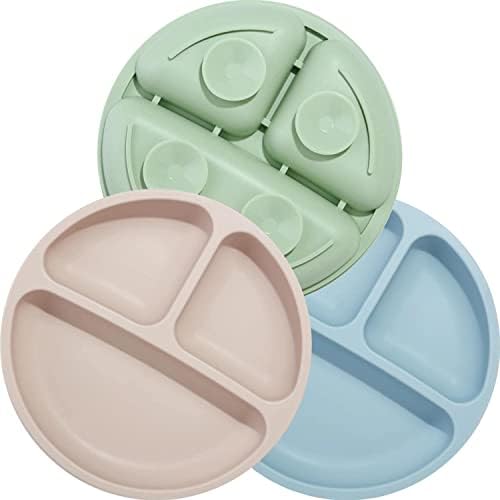

MaryRuth’s Kids Ionic Zinc Drops (Suppliments)
Part of our everyday immune-support routine.
$18.95

Boon Travel Drying Rack (Travel Essential)
Small enough to actually pack, useful every trip.
$12.70

SwimWays Dive and Catch Game (ASD Swimming Gear)
Builds pool confidence without feeling like a lesson.
$19.43
If you’ve already been down this road and found something I didn’t mention here, I’d genuinely like to hear it. You can always reach me through the contact page.
Caren