The headlines arrive faster than any parent can check them. A vitamin is called a breakthrough. A clinic promises stem cells can repair autism. A peptide is praised in a private group. Then a real study appears, but the headline leaves out who participated, what changed, and whether the result has ever been repeated.
I wanted a slower answer. I read the current labels, trial records, and research reports with one question in mind: what should a parent actually do with this information today?
This article is education, not medical advice. Do not start, stop, or change a prescription or supplement based on a headline or this post. Bring the exact product, dose, goal, and source to a licensed clinician who knows your child’s history.
Start with the outcome being studied
Autism is not one symptom waiting for one pill. A study may measure irritability, sleep, anxiety, language, attention, seizures, or daily living skills. Improvement in one target does not mean autism disappeared, and a score change does not automatically mean a child’s daily life became easier.
Before I accept the word “works,” I ask: Was the study randomized and blinded? How many children participated? Was there a placebo group? Was the main outcome chosen before results were known? Did families and clinicians notice a useful difference, or did only one rating scale move? How long were side effects tracked?
What medications can do now
NICHD explains that no medication cures autism or treats every autistic trait. Risperidone and aripiprazole are approved for irritability associated with autism in specific pediatric age ranges. That target can include severe aggression, self-injury, or explosive behavior. These drugs can also cause meaningful side effects, including sleepiness, appetite or weight changes, and movement or metabolic problems, so monitoring is part of the treatment.
Other prescriptions may be used for a separately diagnosed condition such as ADHD, anxiety, epilepsy, sleep trouble, or depression. That is different from prescribing a drug “for autism.” The useful question is concrete: what problem are we treating, how will we measure benefit, what side effects will we watch, and when will we decide whether to continue?
Newer trials deserve attention without becoming recommendations. Recent randomized work has looked at memantine for social impairment, AST-001 for adaptive behavior, bumetanide, and other pathways. Some report encouraging signals; others miss their primary outcomes or involve small, narrow groups. None of that supports ordering a drug online or borrowing another child’s prescription.
Leucovorin needs a careful translation
Leucovorin, also called folinic acid, became one of the loudest autism treatment stories. In March 2026, the FDA-approved Wellcovorin label added cerebral folate transport deficiency caused by an FOLR1 genetic variant. That is a rare medical condition. It is not an approval of leucovorin for autism generally.
Studies are still testing whether selected autistic children with language or social-communication differences benefit. One NIH-supported trial record describes a randomized placebo-controlled study, while another phase 2 trial continues into 2027. That means the broader question remains under investigation. It does not mean every autistic child has a folate problem, needs an antibody test, or should receive high-dose folinic acid.
The current label also lists hypersensitivity risk and drug interactions, including concerns involving certain seizure medicines. Parents should ask why a clinician suspects cerebral folate transport deficiency, what testing supports that concern, whether a genetics or neurology referral fits, and how response and adverse effects would be measured.
Stem cells and exosomes are not an approved autism treatment
Private clinics often use the language of inflammation, repair, and regeneration. The FDA says regenerative medicine therapies have not been approved to treat autism. The agency has received reports involving infections, tumors, blindness, and other harms from unapproved products.
A listing on ClinicalTrials.gov does not prove a product works or is legally marketed. A legitimate U.S. cell-therapy study should be able to provide an FDA investigational new drug number, a real consent process, named investigators, eligibility rules, and a plan for adverse events. Paying a clinic thousands of dollars, especially for travel outside the country, is not the same as entering a regulated trial.
I would treat testimonials, before-and-after videos, and guarantees as marketing, not evidence. Families deserve hope, but hope should not require ignoring the regulator’s warning or accepting a treatment whose contents, sterility, dose, and follow-up cannot be verified.
Peptides are a category, not a treatment plan
“Peptides” can sound scientific while hiding enormous differences between products. Some peptide medicines are legitimate approved drugs for specific diseases. Online autism conversations also mention BPC-157, Semax, Selank, oxytocin, vasopressin-related compounds, KPV, or Dihexa. A biological mechanism, animal experiment, or seller’s claim is not clinical evidence in autistic children.
The FDA’s compounding safety list says it has limited or no human safety information for several marketed peptides and identifies risks involving immune reactions, impurities, and product characterization. There is no established peptide protocol shown to treat autism. A vial marked “research use only” should never become a home experiment with a child.
Other areas worth watching
Research is also looking at sleep, gastrointestinal symptoms, immune pathways, genetics, communication supports, assistive technology, and ways to identify which child may respond to which support. The most useful work may not produce a cure headline. It may help a clinician recognize pain sooner, match communication tools better, or reduce the trial-and-error burden around a specific co-occurring condition.
I am especially interested in studies that include autistic people and families when choosing outcomes. Fewer repetitive movements on a scale may not be a benefit if the movement helps a child regulate. Better participation, communication access, comfort, sleep, safety, or independence may tell us more than looking less autistic.
A five-question pause before trying something
The first question protects against the biggest category mistake. A seller may point to a child sleeping better and call that proof the product treats autism. Sleep is worth treating, but the claim should stay attached to sleep. The same applies to constipation, seizures, anxiety, ADHD, or aggression. Naming the target lets the family and clinician choose a measure and decide whether the change is large enough to matter.
The second question separates access from evidence. Off-label prescribing is common in medicine and is not automatically reckless. It should still have a clinical reason, informed discussion, monitoring plan, and licensed prescriber. Buying an unapproved compound from a seller who never examines the child removes those safeguards.
The third question keeps a mouse study, laboratory mechanism, case report, open-label pilot, and randomized trial from being treated as equal. Each can answer a useful question, but only larger controlled and repeated studies can show whether an effect is likely to be real, useful, and reasonably safe across more children.
The fourth question includes the cost of monitoring. A medication may require weight, blood pressure, laboratory tests, seizure observation, or follow-up visits. A supplement can interact with prescriptions. A product called natural can still cause an allergic reaction, contamination, liver injury, or a dangerous delay in treating the real cause of a symptom.
The last question is uncomfortable but necessary. A clinic selling the treatment, test, travel package, and financing has a different role from an independent pediatrician reviewing the evidence. Conflict does not automatically make a claim false. It makes independent verification more important.
- What exact symptom or medical condition is this supposed to treat?
- Is it FDA-approved for that use, prescribed off-label with evidence, or still experimental?
- What is the strongest human study, and how many children were in it?
- What are the known side effects, interactions, monitoring needs, and stopping rules?
- Who profits if I say yes, and can an independent clinician verify the claim?
A real clinician should be willing to discuss uncertainty. A real trial should explain risks. A trustworthy source will not promise that one product unlocks every child.
What would change my mind
I am not closing the door on new treatments. I would want to see randomized, blinded trials with enough participants to detect a useful difference, outcomes chosen with autistic people and families, full adverse-event reporting, and independent replication. I would want researchers to say which children were included and who should not receive the treatment.
I would also want follow-up long enough to know whether a gain lasts and whether a risk appears later. A twelve-week score can be a start. It cannot answer every question about years of development, medication exposure, learning, or quality of life.
Research matters. So does protecting families from having early findings sold back to them as certainty. I will keep reading, but I will keep the evidence ladder beside me.
A Few of Our Go-To Favorites
Shop the Full StorefrontNothing in our storefront is specific to this guide, so here’s one real favorite from each of our categories instead.

Trekassy 40" Saucer Tree Swing (Sensory Toys)
Our most-used backyard sensory swing, hands down.
$39.99

Skoolzy Peg Board Set (Sensory Learning Toys)
Great for fine motor practice, no screen required.
$16.99
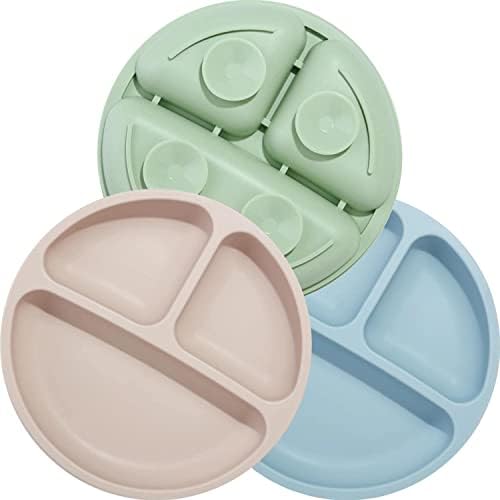

MaryRuth’s Kids Ionic Zinc Drops (Suppliments)
Part of our everyday immune-support routine.
$18.95

Boon Travel Drying Rack (Travel Essential)
Small enough to actually pack, useful every trip.
$12.70
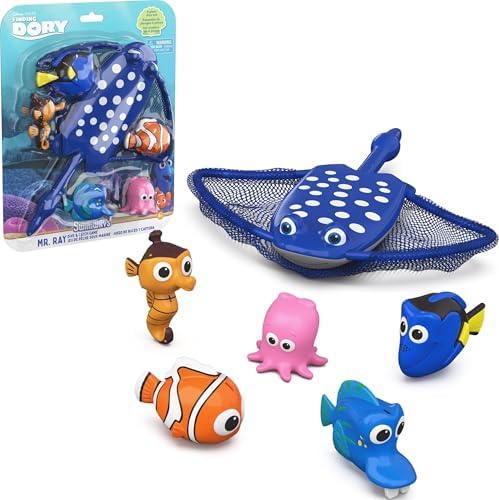
SwimWays Dive and Catch Game (ASD Swimming Gear)
Builds pool confidence without feeling like a lesson.
$19.43
If you’ve already been down this road and found something I didn’t mention here, I’d genuinely like to hear it. You can always reach me through the contact page.
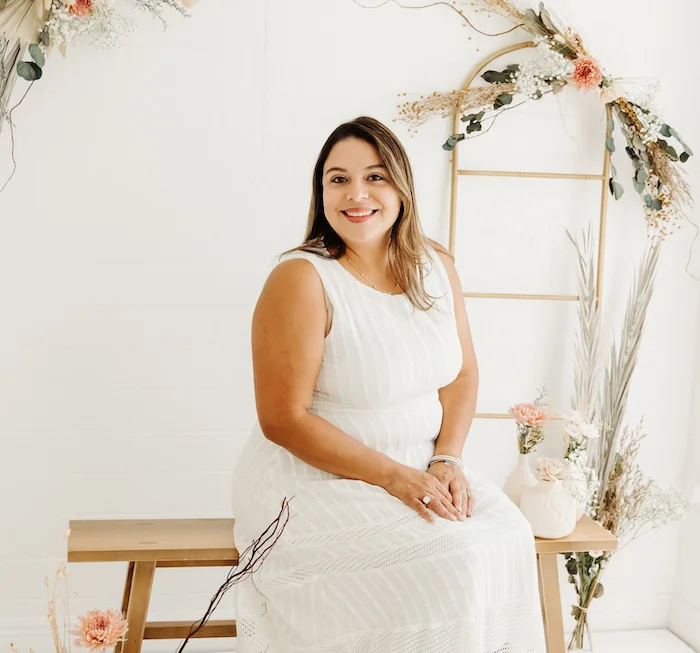
Caren